Best Things to Do in Fairbanks Alaska 2026 — Northern Lights, Hot Springs & Midnight Sun
Fairbanks is the real Alaska. Forget the cruise ship ports and gift shop towns — this is Interior Alaska, where temperatures swing from 90°F in summer to -40°F in winter, where the sun never sets in June and the northern lights explode across the sky in January. It's rugged, remote, and absolutely worth the trip.
Whether you're chasing aurora borealis or basking in 22 hours of daylight, Fairbanks delivers two completely different experiences depending on when you visit. Here's everything worth doing in Alaska's Golden Heart City in 2026.
Northern Lights Viewing (September – March)
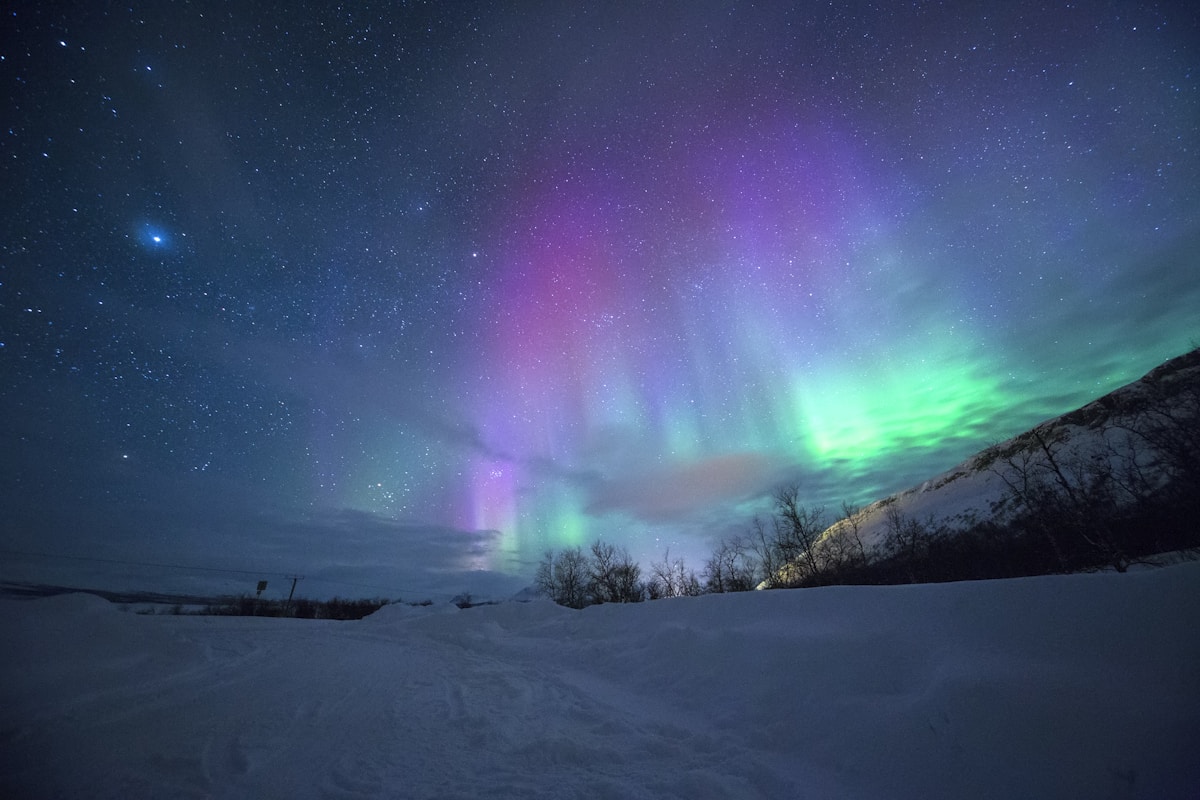
Fairbanks sits under the auroral oval, making it one of the best places on the planet to see the northern lights. The city averages 240+ aurora displays per year, and on a clear night from September through March, your odds of seeing them are excellent.
The key is getting away from city lights. Chena Lake Recreation Area is a popular local spot about 20 minutes east of town — dark skies, open views, and easy to reach. Murphy Dome, a decommissioned Air Force radar site north of Fairbanks, offers panoramic hilltop views at about 2,930 feet elevation. The drive up is gravel and can be rough, but the 360-degree horizon is hard to beat.
If you'd rather have someone else do the driving, several tour operators run nightly aurora excursions from September through March. Most will pick you up from your hotel, drive you to a dark-sky location, set up warm shelters, and serve hot drinks while you wait. Some include photography assistance so you actually get decent shots. Alaska Aurora Adventures, Ronn Murray Photography Tours, and Gondwana Ecotours all get solid reviews from repeat visitors.
Pro tip: The University of Alaska Fairbanks Geophysical Institute publishes a nightly aurora forecast. Bookmark it. And don't plan just one night — clouds happen. Give yourself at least three nights in Fairbanks to maximize your chances.
Chena Hot Springs Resort
About 60 miles northeast of Fairbanks, Chena Hot Springs Resort is one of Alaska's most popular year-round destinations. The natural hot springs feed an outdoor rock lake where you can soak in 106°F water while snow falls on your head — or while the aurora dances overhead if you time it right.
The resort's Aurora Ice Museum is kept at 25°F year-round and features ice sculptures, an ice bar where drinks are served in ice glasses, and chandeliers carved from ice harvested on-site. It's touristy, sure, but genuinely impressive craftsmanship.
Chena Hot Springs also runs its own renewable energy program using geothermal power, offers ATV tours and horseback riding in summer, and dog sled rides in winter. The drive out from Fairbanks takes about 90 minutes on Chena Hot Springs Road — paved the whole way, scenic the whole way.
Book ahead if you're visiting between December and March. The resort fills up fast during peak aurora season.
Midnight Sun (May – July)
On the summer solstice in late June, Fairbanks gets roughly 22.5 hours of direct sunlight — and the remaining hour and a half never gets darker than civil twilight. It does not get dark. Your body clock will revolt. Bring a sleep mask.
The most iconic way to celebrate is the Midnight Sun Baseball Game, played by the Alaska Goldpanners at Growden Memorial Park every year around June 21st. The game starts at 10:30 PM and is played entirely under natural light — no artificial lighting needed. It's been a Fairbanks tradition since 1906, and the atmosphere is pure small-town Alaska.
The endless daylight also means you can hike, fish, paddle, and explore well past midnight. Angel Rocks Trail (3.5 miles round trip) and Granite Tors Trail (15-mile loop, serious hike) are two of the best near Fairbanks. The Chena River State Recreation Area is perfect for canoeing or kayaking with no headlamp required at 11 PM.
Pioneer Park
Pioneer Park is a 44-acre city park with free admission that functions as an open-air museum of Fairbanks history. Originally built for the 1967 Alaska Purchase Centennial celebration, it includes a replica Gold Rush-era town with historic buildings relocated from downtown Fairbanks, the restored SS Nenana sternwheeler (a National Historic Landmark), and several small museums covering aviation, Native culture, and Interior Alaska history.
The Pioneer Air Museum inside the park houses early bush pilot aircraft and tells the story of aviation in a state where flying isn't a luxury — it's how half the communities get their mail. The park also has a small-gauge train, a salmon bake restaurant, and local art galleries. It's not flashy, but it's free and genuinely informative. Plan for a couple hours.
University of Alaska Museum of the North
The Museum of the North on the University of Alaska Fairbanks campus is the best museum in Interior Alaska, and the building itself — designed by architect Joan Soranno — is worth the visit for its sweeping white curves meant to evoke glaciers and the northern landscape.
Inside, the galleries cover Alaska's natural history, Indigenous cultures, and art. The Gallery of Alaska walks you through the state's ecosystems from temperate rainforest to Arctic tundra. There's a mummified steppe bison named Blue Babe that's 36,000 years old. The Rose Berry Alaska Art Gallery features work from Alaska Native and contemporary artists. Admission is about $18 for adults.
Riverboat Discovery Cruise
The Riverboat Discovery is a 3.5-hour sternwheeler cruise down the Chena and Tanana Rivers, operated by the Binkley family — fourth-generation Alaskans who've been running riverboats since the early 1900s. The boat stops at the Binkleys' family homestead for a walking tour of a sled dog yard (with puppies), a fish-cutting demonstration, and a visit to a replica Athabascan village.
Along the way, you'll see a bush pilot demonstration — a floatplane takes off and lands on the river right next to the boat. It's a well-polished tourist experience, but the Binkley family knows Interior Alaska deeply and the commentary is genuinely educational. Runs daily in summer, usually around $70-80 per adult. Book in advance — it sells out.
Gold Panning and Gold Dredge Tours
Fairbanks exists because of gold. Felix Pedro's 1902 discovery in the hills north of town triggered the rush that built the city, and gold mining has never fully stopped here.
Gold Dredge 8 is the main attraction — a retired 1928 gold dredge that processed millions of dollars in gold from the creeks around Fairbanks. The tour includes a narrow-gauge train ride to the dredge, a walk through the massive machine, and a chance to pan for gold yourself (from prior-mined pay dirt, so you're guaranteed to find some color). It's about $45 per adult and runs in summer.
For something less structured, several operators around the Fairbanks area offer recreational gold panning on actual claims. El Dorado Gold Mine is another popular option with a similar format — train ride, mine tour, panning.
Where to Eat in Fairbanks
Fairbanks isn't a foodie destination, but there are some genuinely good spots that locals swear by:
- Lavelle's Bistro — The closest thing to fine dining in Fairbanks. Upscale menu with Alaska seafood, steaks, and a solid wine list. Reservations recommended. Located downtown on 1st Avenue.
- The Pump House — A Fairbanks institution on the Chena River. The building is a restored mining-era pump house, and the deck seating along the river in summer is excellent. Known for prime rib and halibut. Sunday brunch is popular.
- Big Daddy's BBQ — A food truck turned brick-and-mortar that's become one of the most talked-about spots in town. Texas-style brisket, pulled pork, and ribs. The portions are massive. Cash or card, no pretense.
- Cookie Jar — A no-frills diner in a strip mall that serves enormous breakfasts. Biscuits and gravy, reindeer sausage, sourdough pancakes. If there's a line, it's worth the wait.
- Alaska Coffee Roasting Company — The best coffee in Fairbanks, roasted on-site. Good pastries, laid-back atmosphere, and a local crowd.
Getting to Fairbanks
By air: Fairbanks International Airport (FAI) has direct flights from Anchorage (about 50 minutes), Seattle, Minneapolis, and Denver on Alaska Airlines, Delta, and seasonal carriers. In summer, more direct routes open up. Flights from Anchorage run multiple times daily and are usually under $200 round trip if booked early.
By car: The drive from Anchorage to Fairbanks on the Parks Highway (AK-3) is roughly 360 miles and takes about 5.5 to 6 hours with no stops — but you'll want to stop. Denali National Park is at the halfway point, and the views of the Alaska Range are spectacular on clear days. The road is paved and well-maintained year-round, though winter driving requires studded tires or chains and serious cold-weather preparation.
By train: The Alaska Railroad runs between Anchorage and Fairbanks with a stop at Denali. It's a full-day trip (about 12 hours) and not cheap, but the glass-dome cars offer views you won't get from the highway. The Denali Star runs daily in summer.
Summer vs. Winter: Two Different Cities
This is the most important thing to understand about Fairbanks: the summer and winter experiences have almost nothing in common.
Summer (May – August) means midnight sun, 80-90°F temperatures, long hiking days, river floats, fishing, the Tanana Valley State Fair, and a general feeling of Alaskans making the absolute most of their short warm season. Mosquitoes are aggressive — bring DEET or permethrin-treated clothing.
Winter (October – March) means northern lights, -20°F to -40°F cold (sometimes colder), hot springs, dog sledding, the World Ice Art Championships in February/March (the largest ice sculpting competition in the world), and a quiet intensity that only people who've survived an Interior Alaska winter truly understand. You will need serious cold-weather gear — not just a puffy jacket, but rated boots, layered insulation, and hand warmers.
Neither season is better. They're just completely different trips. Pick the one that matches what you want to experience.
Plan Your Fairbanks Trip
Fairbanks rewards travelers who come prepared and stay flexible. The aurora doesn't run on a schedule. The weather changes fast. The best experiences — soaking in hot springs at midnight, watching a bush plane buzz a sternwheeler, panning actual gold from a creek — aren't things you can replicate anywhere else.
For upcoming events, festivals, and seasonal happenings in Fairbanks and across Alaska, check the full calendar at Last Frontier Events. We track concerts, festivals, markets, outdoor events, and more across the state so you can build your trip around what's actually happening when you visit.