Katmai & Brooks Falls Bear Viewing Guide 2026 — Floatplanes, Permits, Live Cam
Why Brooks Falls Is Extraordinary
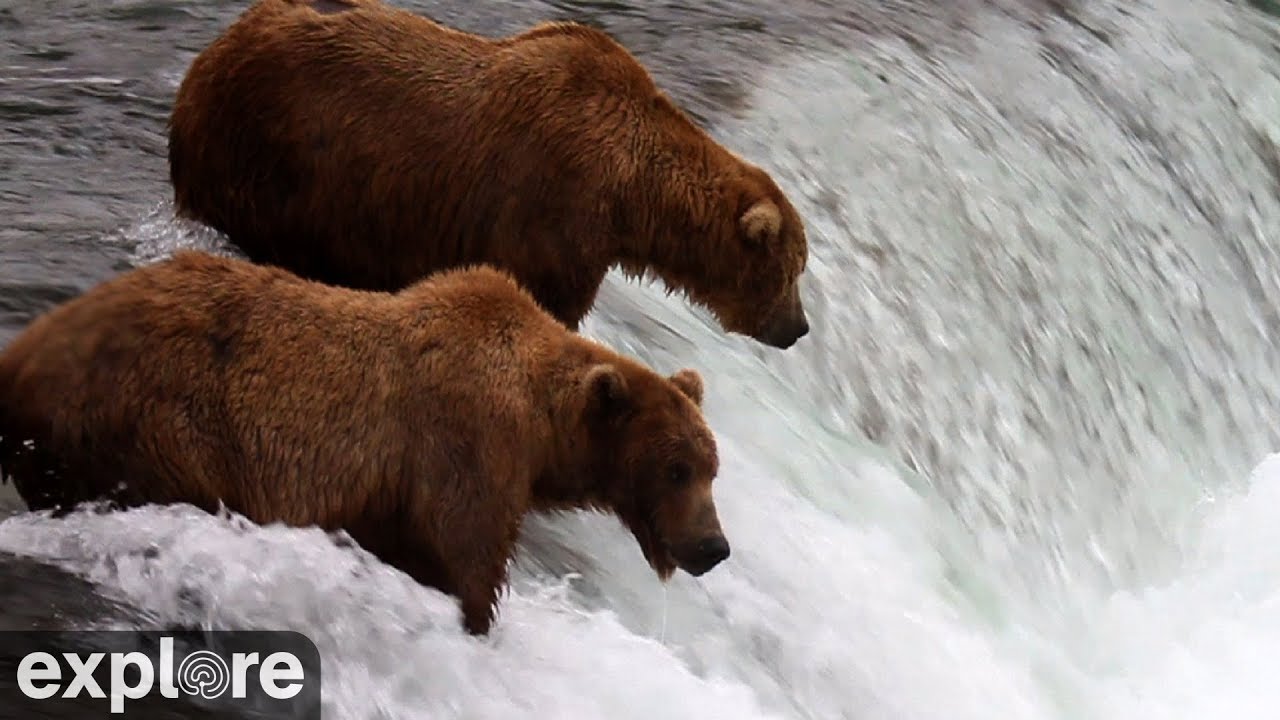
Brooks Falls in Katmai National Park is a 6-foot drop on the Brooks River, connecting Naknek Lake to Brooks Lake in southwest Alaska. Every summer, sockeye salmon attempting to run upstream must clear this falls. Brown bears learn this and congregate in numbers found nowhere else in the park — sometimes 20-30 bears visible from the viewing platform simultaneously. The scene of a 600-pound bear standing in the falls catching salmon mid-leap has become one of the most iconic wildlife images in the world, and it is real. It really happens, repeatedly, from late June through September.
When to Go
There are two peak viewing windows:
- July (peak 1): The first major sockeye run. Bears are at their hungriest after emerging from dens and the catching action at the falls is intense. The best days for the "standing in the falls" behavior are typically mid-July when the run peaks. This is the most photographed and most crowded period.
- Late August to mid-September (peak 2): The silver (coho) salmon run brings bears back in large numbers. Crowds thin somewhat compared to July. Bears are already fat from the first run and the atmosphere is calmer.
The live webcam at explore.org broadcasts both peaks and is worth watching to understand what conditions are like before you book travel.
How to Get There: Floatplanes from King Salmon
There is no road to Brooks Camp. Access is by floatplane from King Salmon, Alaska (reached by Alaska Airlines jet service from Anchorage, about an hour), or directly from Anchorage or Homer by bush plane. The primary operators out of King Salmon include Katmai Air and Branch River Air. Flight time to Brooks Camp is about 20 minutes from King Salmon.
Day trips from Anchorage run $800-$1,100 per person including round-trip commercial flight to King Salmon and the floatplane transfer. Multi-day stays at Brooks Lodge, operated by Katmai Air, are a better value for serious bear viewing — rates run $700-800 per person per night all-inclusive.
Permits and Reservations
Brooks Camp is one of the most popular backcountry destinations in the National Park system. Reservations are essential:
- Brooks Lodge rooms book out in January for the following summer — reserve at katmailand.com immediately when the window opens.
- Day visitors do not need advance reservations but are subject to a daily visitor limit enforced at the ranger station. Arrive early and expect to wait for platform access during peak hours.
- The bear viewing platforms (upper and lower falls platforms plus the river platform) are managed by the park — no separate ticket required beyond the national park entrance fee. The upper falls platform holds 40 people and access rotates during busy periods.
The Live Cam: Free Bear Viewing From Home
The explore.org/exploreKatmai live webcam at Brooks Falls streams free during viewing season. In July the feed regularly shows multiple bears catching salmon at the falls. This is not a substitute for being there, but it is one of the genuinely great free wildlife viewing experiences available to anyone with an internet connection.
What Else Is at Brooks Camp
Beyond the falls, Brooks Camp has a visitor center, campground (reservations required), and access to hiking trails around the lake and through the Valley of Ten Thousand Smokes — the volcanic landscape left by the 1912 Novarupta eruption, one of the largest volcanic events of the 20th century. The valley is 23 miles from Brooks Camp by road (a park-operated bus runs in summer) and is an otherworldly landscape of ash-covered river canyons.
I watched Otis catch his fourth salmon in a row at 11:47 p.m. last August. I was sitting in a cabin in Talkeetna, eight hundred miles from Brooks Falls, with the live cam on a laptop and a cup of bad coffee. The actual sun wasn't going down. It almost felt like cheating. The next year I went in person, and I'll tell you which experience I'd recommend if you have to pick.
Looking for things to do in Alaska? Browse upcoming Alaska events →